PatchTST vs LSTM: A Hands-On Benchmark for Crypto Forecasting
We benchmark PatchTST against our production LSTM on BTCUSDT, sharing setup details, early results, and the artifacts you can inspect yourself.
Read more
We benchmark PatchTST against our production LSTM on BTCUSDT, sharing setup details, early results, and the artifacts you can inspect yourself.
Read more
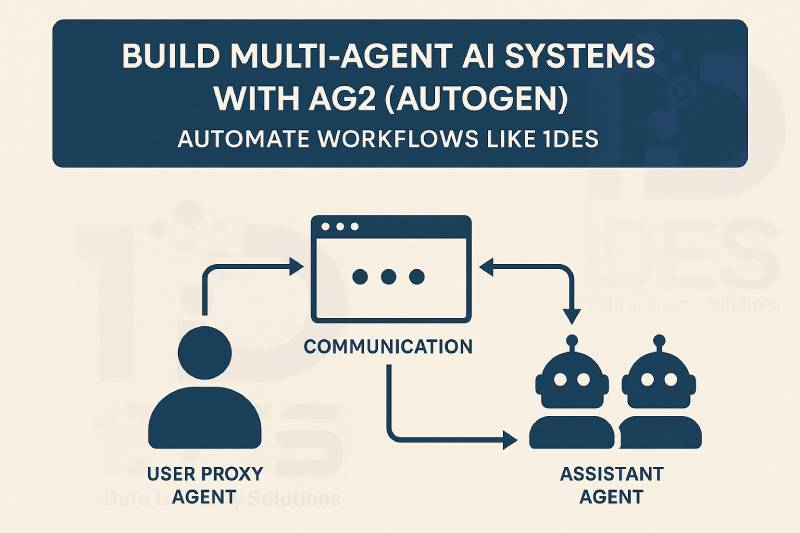
Explore how PatchTST is reshaping time-series forecasting in crypto markets. This article explains Transformers, self-attention, and why PatchTST stands out compared to traditional LSTMs.
Read more
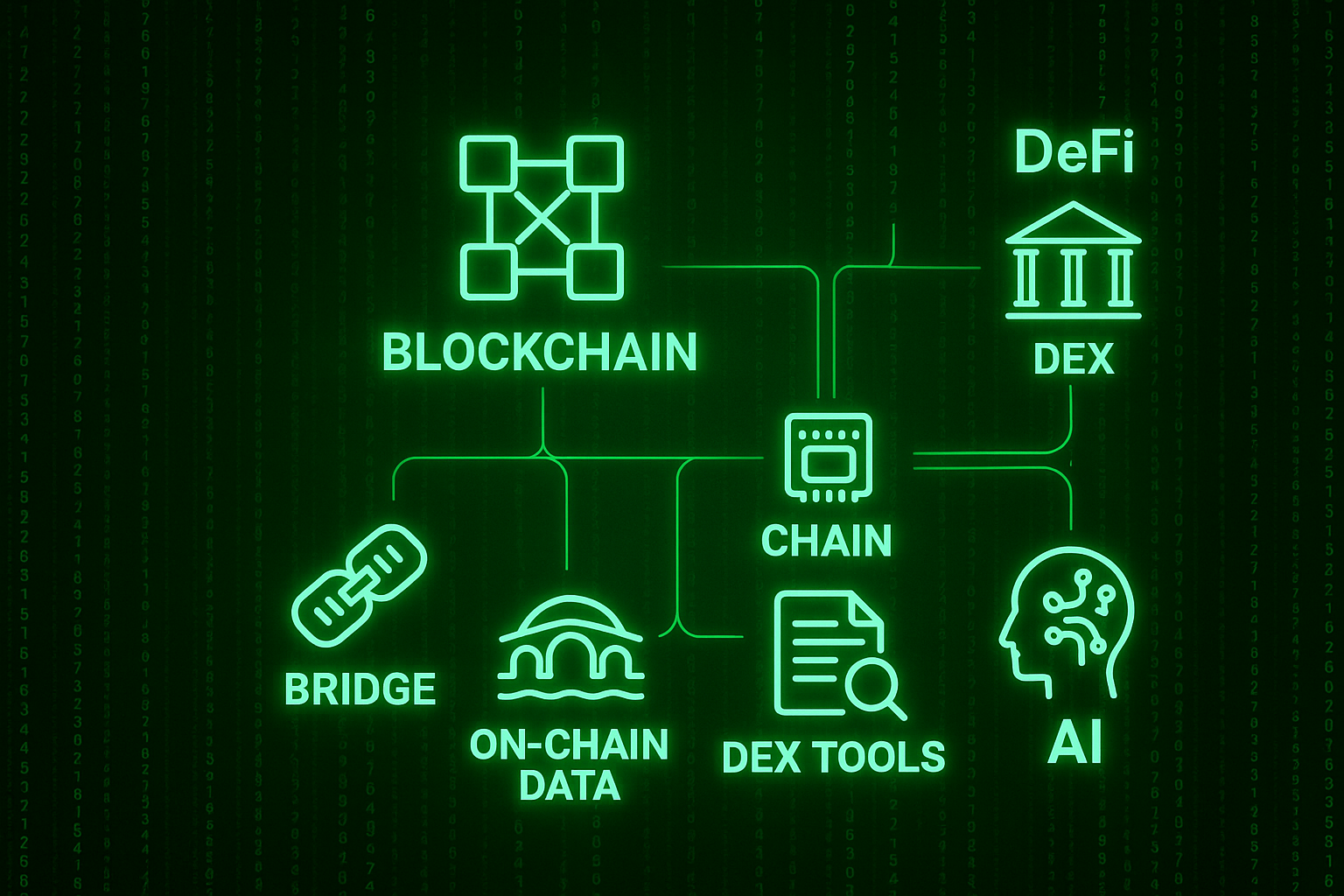
Learn how to build multi-agent systems using AG2 (AutoGen) for real-world automation. This guide walks through creating an AI-driven trade reporting pipeline with Python, assistant agents, and real-time data handling.
Read more
A beginner-friendly guide to blockchain, DeFi, and AI-powered trading. Learn how smart contracts, DEXs, yield farming, staking, oracles, and automated bots are shaping the future of finance.
Read more
In this final part of our series, we combine machine learning predictions with backtesting to evaluate trading strategies. Learn how ML improved our SMA crossover strategy’s win rate using TensorFlow, Keras, and the Backtesting library.
Read more
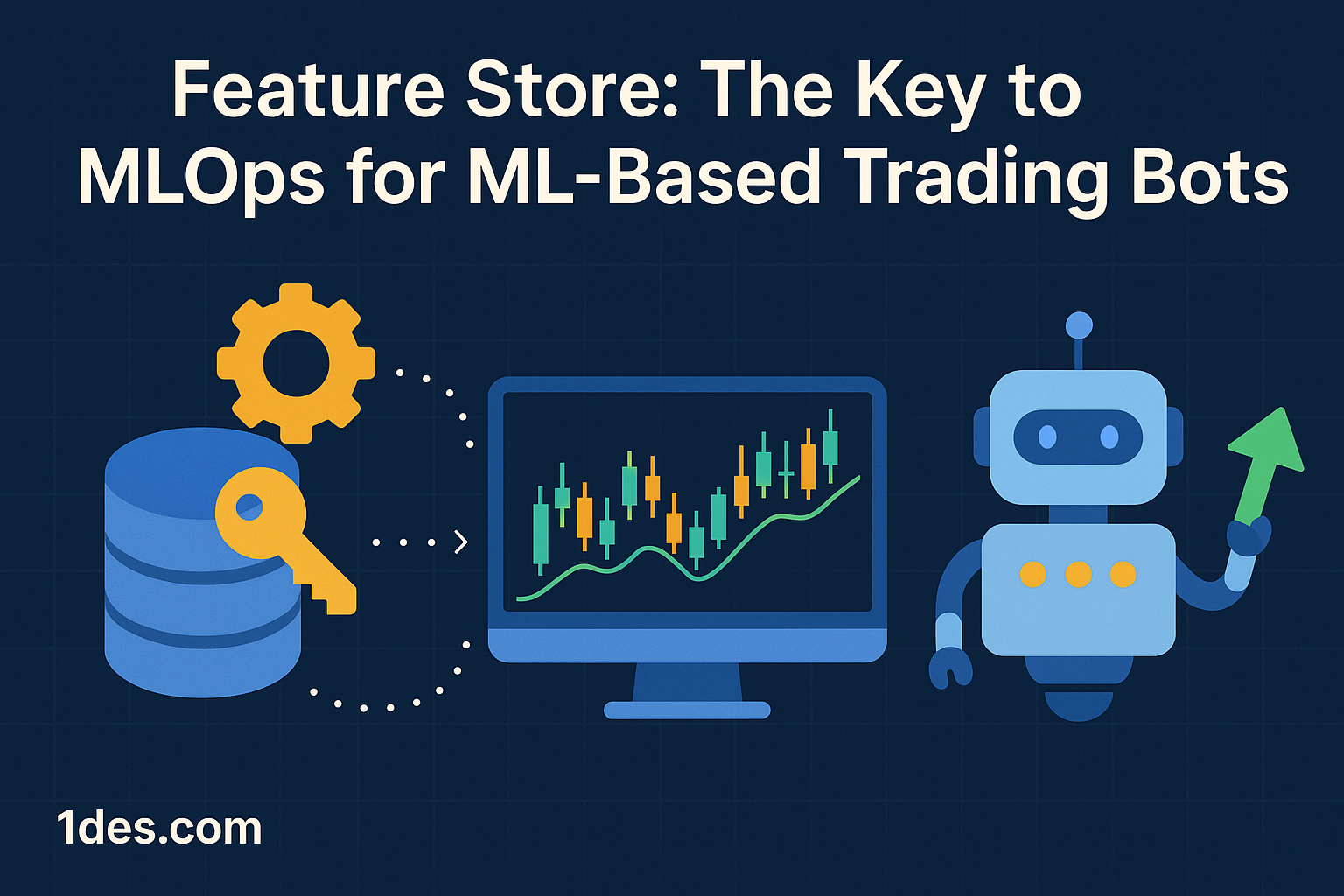
A Feature Store is a critical MLOps component for ML-based trading bots, ensuring consistent, reusable, and real-time features. Learn how we built a hybrid online-offline feature store at 1DES using Faust and PostgreSQL.
Read more
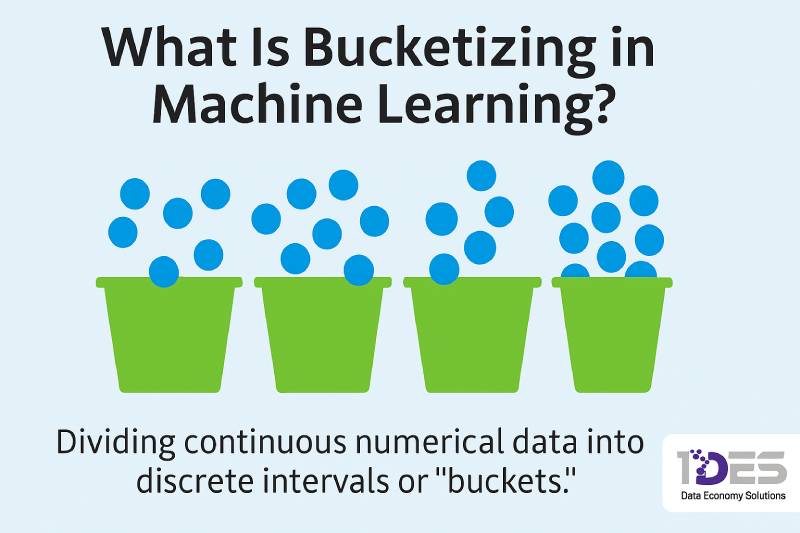
Bucketizing (binning) groups continuous values into discrete intervals, simplifying data analysis and making patterns easier to detect. Learn how it works, why it’s used, and where it benefits machine learning workflows.
Read more
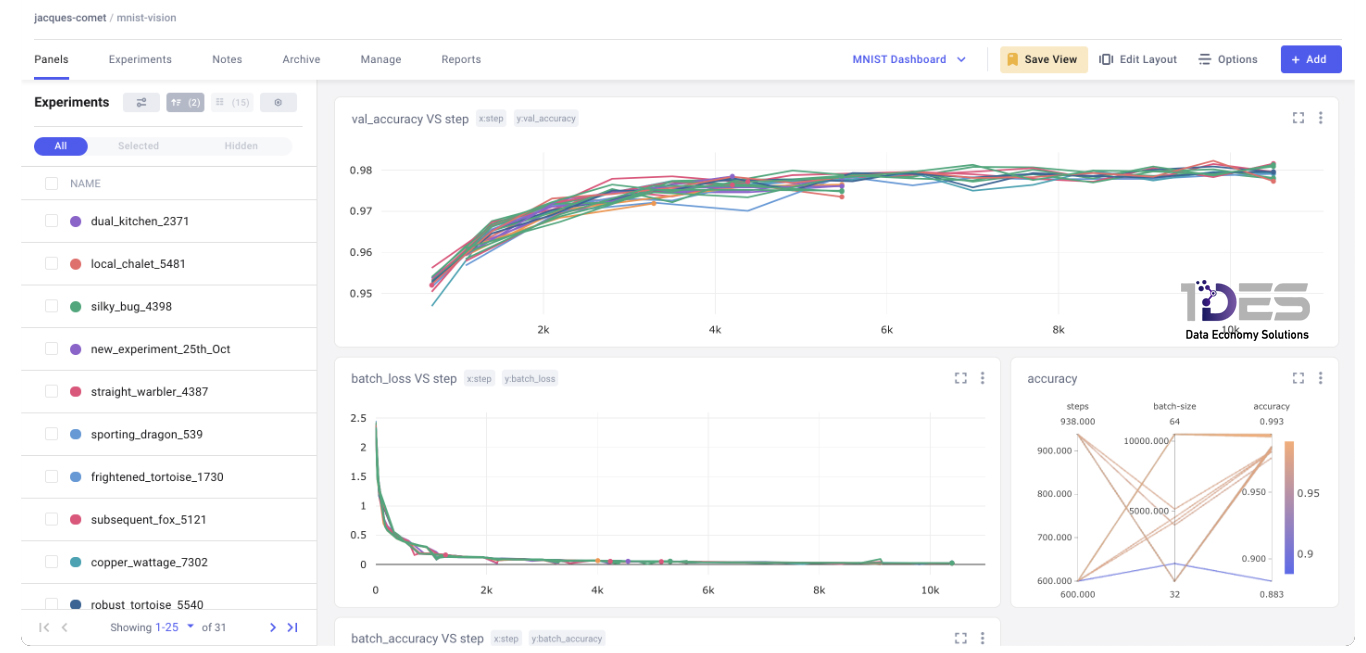
At 1DES, we use Comet to visualize, track, and optimize our ML experiments. Learn how confusion matrices, t-SNE, UMAP, and visual dashboards improve model understanding, debugging, and collaboration.
Read more
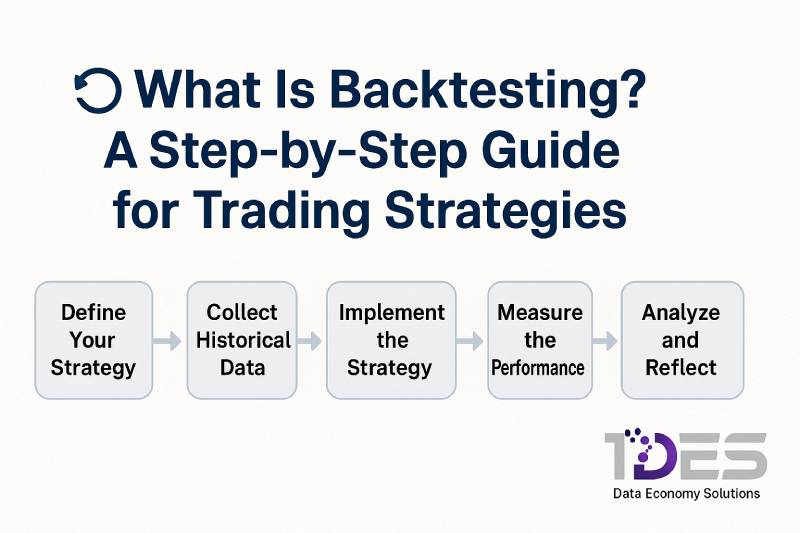
Backtesting lets you test trading strategies on historical data before risking real money. Learn the step-by-step process, key performance metrics, and common pitfalls to improve your trading decisions.
Read more
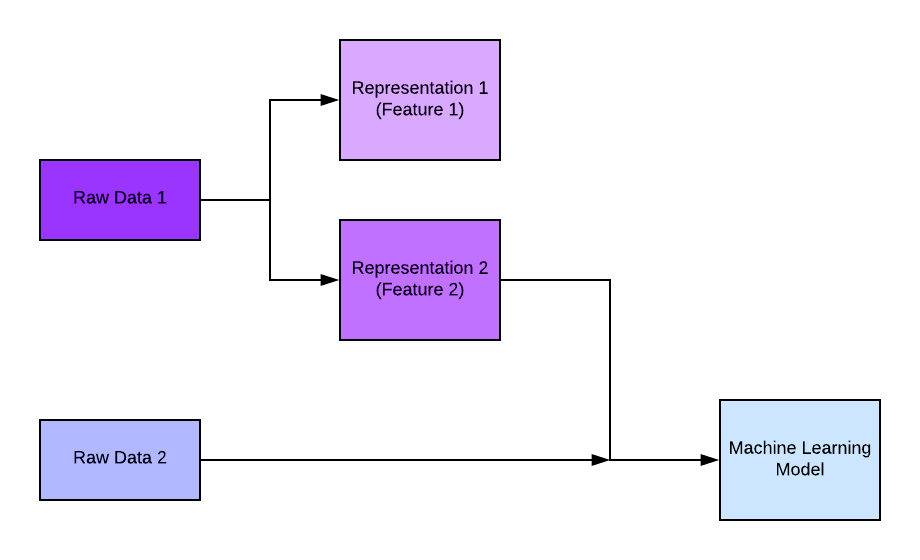
Labels and features form the backbone of machine learning. Learn what they are, how they interact in supervised learning, and why feature engineering is critical for improving model performance.
Read more
In this third part, we train our machine learning model using TensorFlow and Keras to improve an SMA crossover strategy's win rate. Learn how to preprocess features, tune parameters, and evaluate model accuracy for algorithmic trading.
Read more
Stream processing is essential for ML-based trading bots, enabling real-time market data analysis, faster trading decisions, and continuous learning. Learn how we used Faust and Kafka to build a scalable stream processing pipeline.
Read more
In this second part, we select and engineer suitable features to feed our machine learning model. Learn how to build trend-based features, normalize values, avoid correlated variables, and visualize distributions for better algo trading performance.
Read more
In this first part, we improve an algorithmic trading strategy’s win rate by cleaning and relabeling SMA crossover signals. Learn how to backtest, correct labels, and prepare clean data for a machine learning trading model.
Read more
In this second part of the development season, we clean, visualize, and engineer features for machine learning trading bots. Learn how to select and build effective features, normalize data, and prepare it for training.
Read more
Yes, it is possible to make money with crypto trading bots, but success depends on strategy, risk management, and keeping algorithms updated. Learn about rule-based bots, algorithmic trading, and machine learning signals.
Read more
In this first part of the development season, we collect and store live and historical cryptocurrency data for machine learning trading bots. Learn how to use Binance and Kraken APIs to build a 1-minute OHLCV database for BTC/USDT and BTC/EUR.
Read more
In this sixth part, we focus on monitoring open positions and applying risk management. Learn how to adjust stop-loss and take-profit dynamically using machine learning, ensuring better control over trades and minimizing losses.
Read more
In this fifth part, we explore how to turn trading signals into automated actions. Learn how to place, retrieve, and cancel orders via exchange APIs, handle stop-loss and take-profit, and build a basic crypto bot for spot trading.
Read more
In this fourth part, we design a trading model using machine learning. Learn how to train, test, and backtest your model, using SMA20 labels and simple buy/sell strategies as a starting point.
Read more
In this third part, we focus on recognizing patterns in analyzed market data, starting with trends like bullish and bearish movements. Learn how to label data for machine learning using SMA20 and prepare for binary classification.
Read more
In this second part, we dive into cleaning, filtering, and transforming raw OHLCV data into structured features and labels ready for machine learning. Learn why good data preparation is crucial for building an accurate trading bot.
Read more
Learn how to start building a machine learning trading bot. In this first part, we focus on collecting and preparing cryptocurrency market data, using BTC/USDT as an example.
Read more